Hunt Club (2023) creeps in on a whisper but quickly bares its teeth. Directed by Elizabeth Blake-Thomas, the film positions itself in the lineage of feminist revenge horror—a subgenre carved out by films like I Spit on Your Grave (1978), Revenge (2017), and Promising Young Woman (2020)—but does so with a grindhouse edge and a theatrical flourish. Where so many horror films trap women in cycles of survival, this one insists that its women don’t just endure—they fight back, reclaiming power in a blood-soaked fairy tale of retribution.
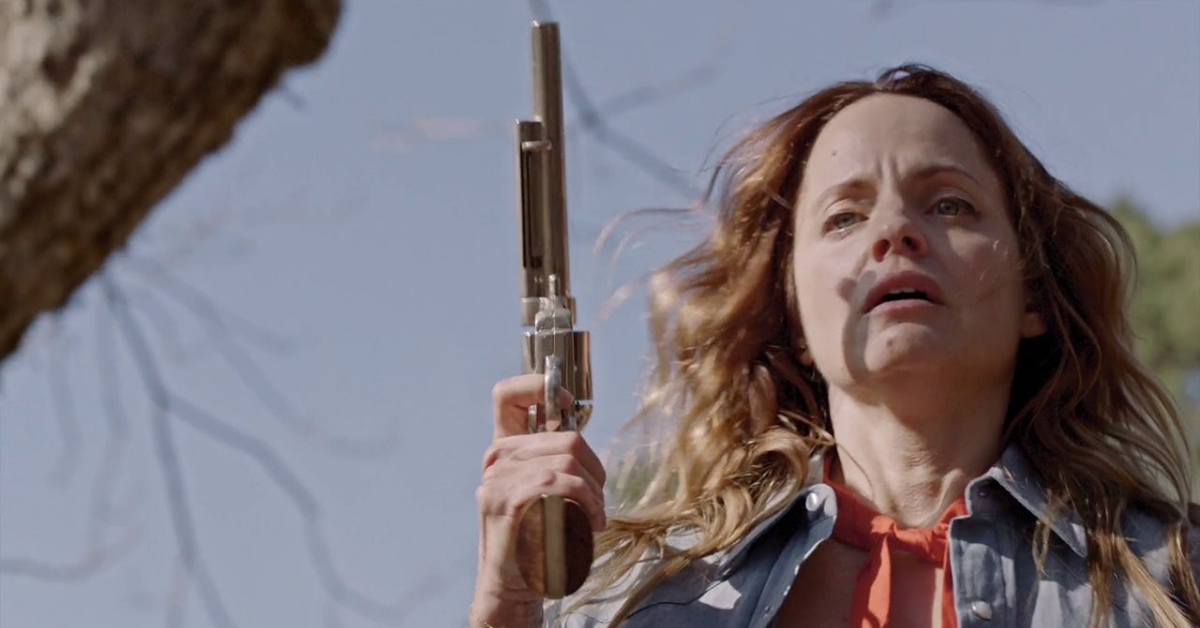
At its surface, the premise feels familiar: a group of men lure women into a hunting game under the guise of entertainment and power. They’ve built their playground on a foundation of misogyny, convinced that their cruelty is a birthright. Hunt Club doesn’t linger on the shock of the premise—it thrives in the reversal. Once Cassandra (Mena Suvari) and Lexi (Maya Stojan) enter the game, the dynamic shifts. The women, instead of succumbing to their roles as prey, begin turning the rules of the hunt back on their captors. The resulting carnage feels less like exploitation and more like catharsis—a cinematic purge of patriarchal entitlement.

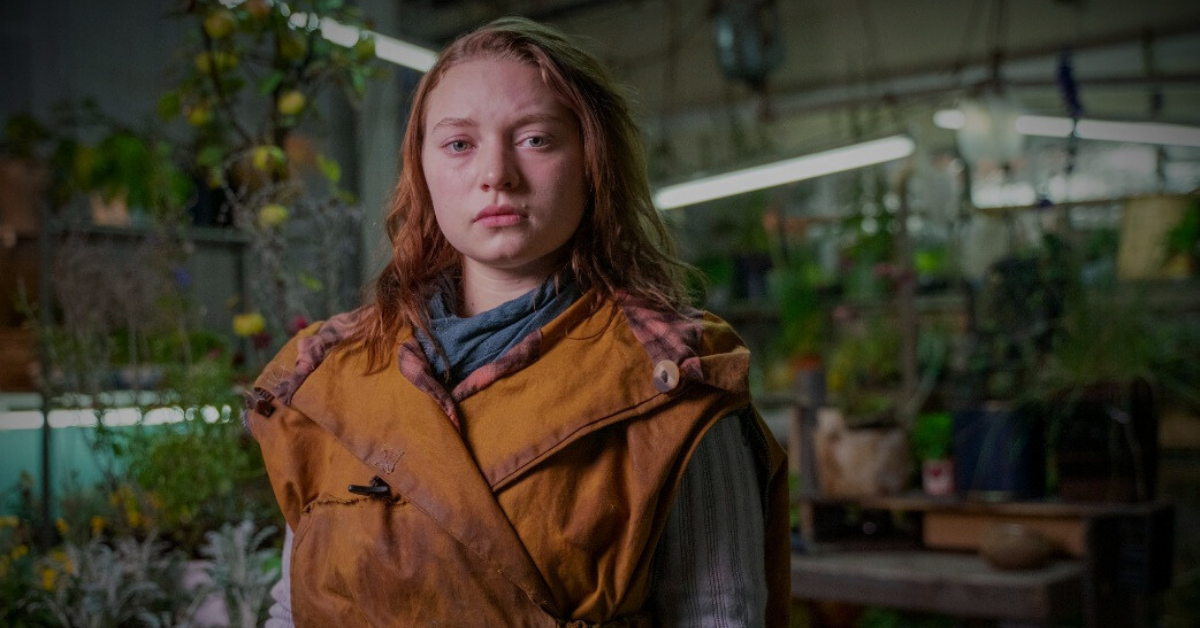
Suvari delivers a grounded and haunting performance that anchors the film’s fury. There’s a raw exhaustion in Cassandra that reflects the cumulative weight of systemic violence against women, and Suvari channels it with sharpness and vulnerability. Stojan, on the other hand, plays Lexi with an undercurrent of defiance—a simmering rage that fuels the film’s most violent, satisfying beats. Together, they create a dynamic that shifts the narrative from simple survival thriller into a story about solidarity, rage, and reclamation.
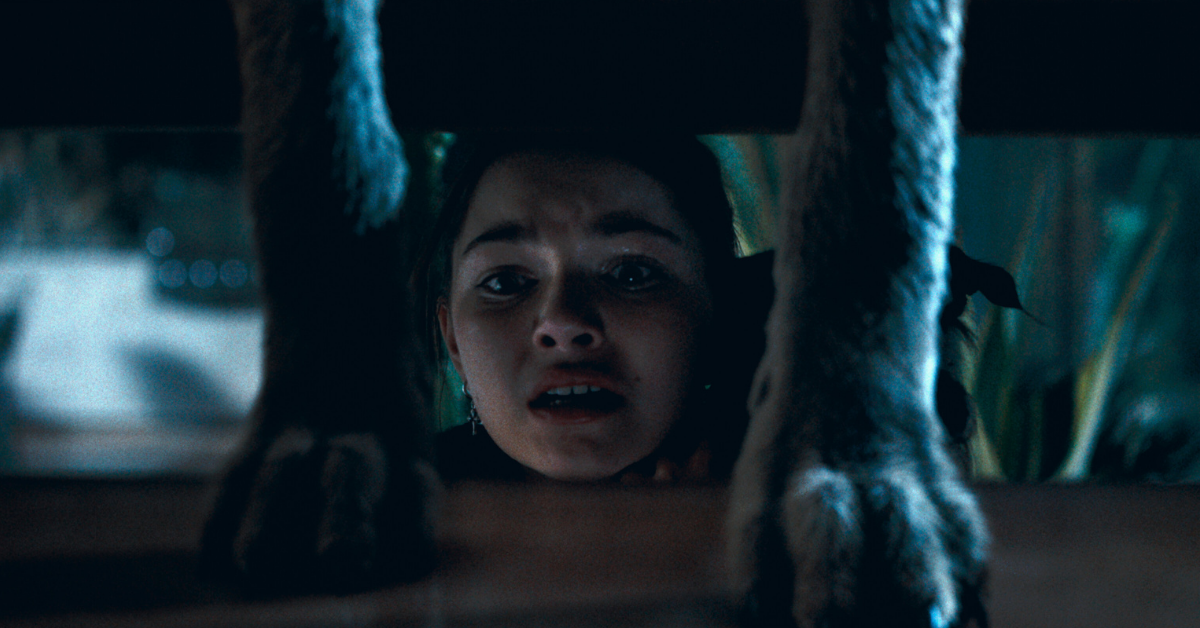
The aesthetics of Hunt Club heighten its feminist edge. Blake-Thomas employs bold, almost theatrical lighting choices that highlight the absurdity of the hunters’ masculine bravado, setting the stage like a macabre carnival. Costume and set design lean into irony—the predators’ world is stripped of subtlety, drenched instead in grotesque confidence that ultimately undermines them. Even the score operates as a trickster, lulling us into a false calm before rupturing into sonic violence when the tables turn. It’s this intentional artifice that makes the flim resonate more as allegory than realism.

That said, the film is not without its flaws. The patriarchal villains are predictable archetypes, walking caricatures of misogyny with little nuance. Foreshadowing is sometimes laid on too thick, telegraphing reversals before they happen. This may dull the tension for some viewers, but perhaps that predictability is also part of the point—when the system of patriarchy itself is such a tired, worn-out script, the pleasure lies in watching it be torn apart.
The film delivers on its promise: it’s feminist horror that refuses to stay polite. Where mainstream cinema often softens female rage, this film embraces it fully, splattering the screen with the consequences of centuries of silenced voices. It isn’t delicate, and it doesn’t need to be. The film leans into exploitation tropes only to weaponize them, reclaiming space for women who are no longer willing to be hunted.
Ultimately, Hunt Club isn’t about survival—it’s about transformation. It asks what happens when women stop running, stop hiding, and turn to face their antagonists head-on. The answer is a flawed but ferocious slice of feminist revenge horror—predictable at times, but ultimately cathartic, bloody, and unafraid to let women bite back.