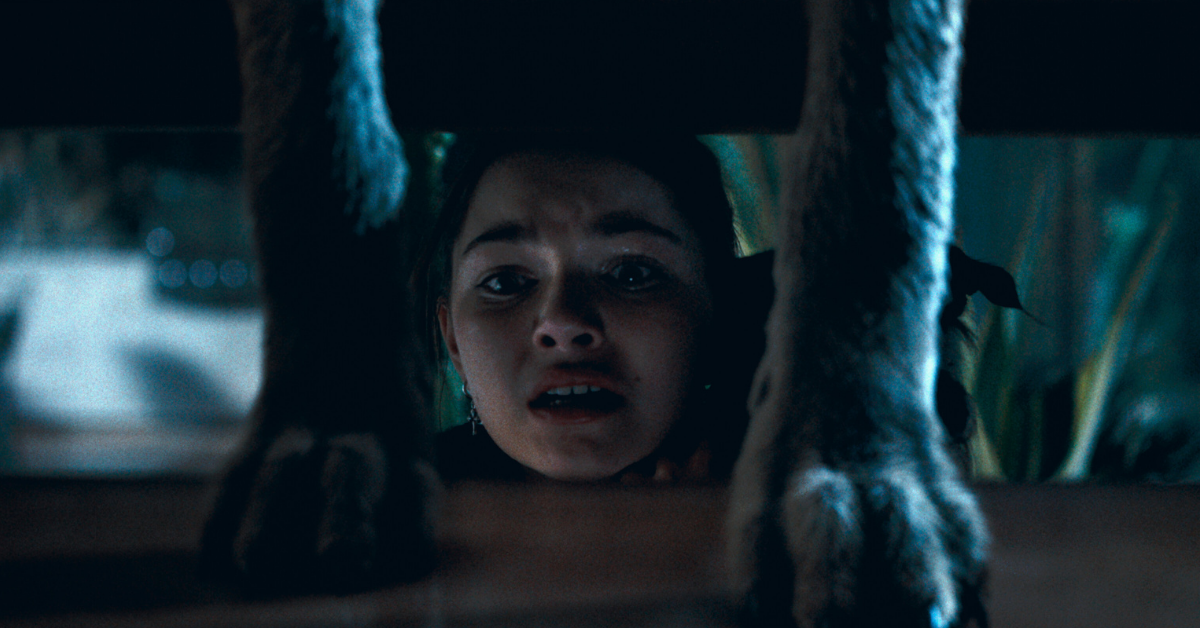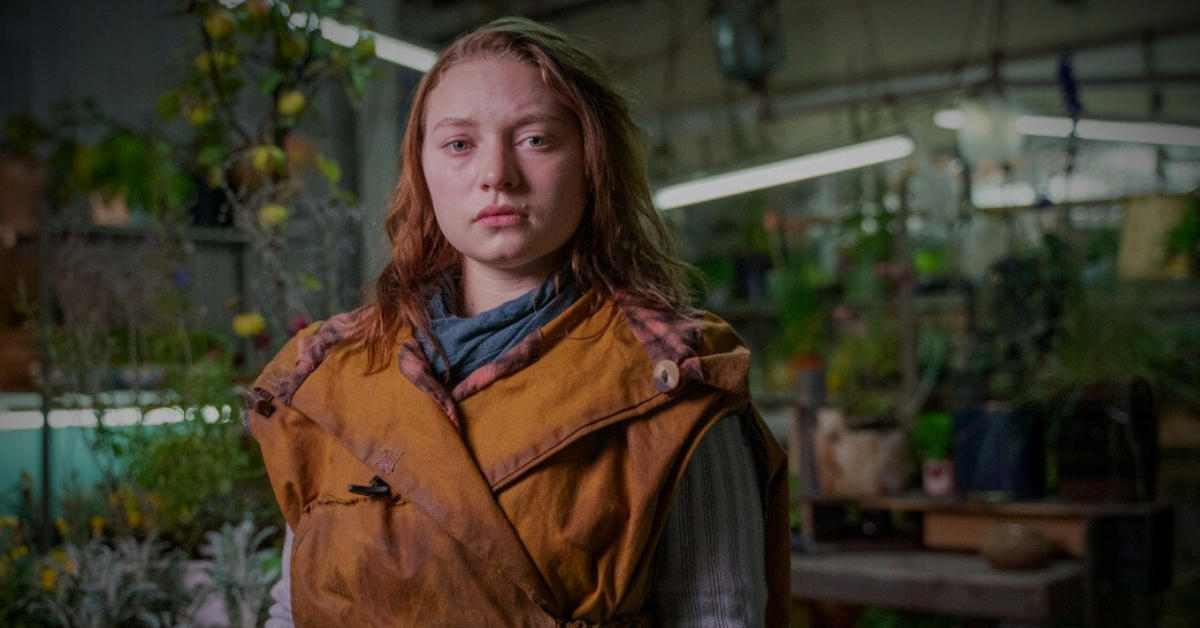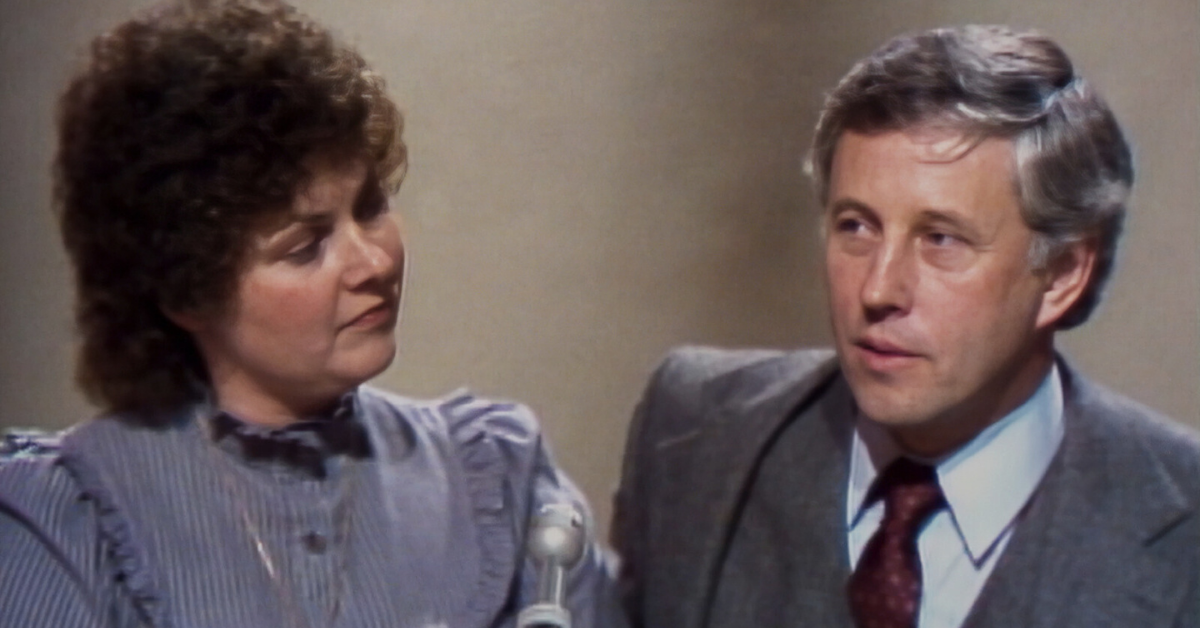
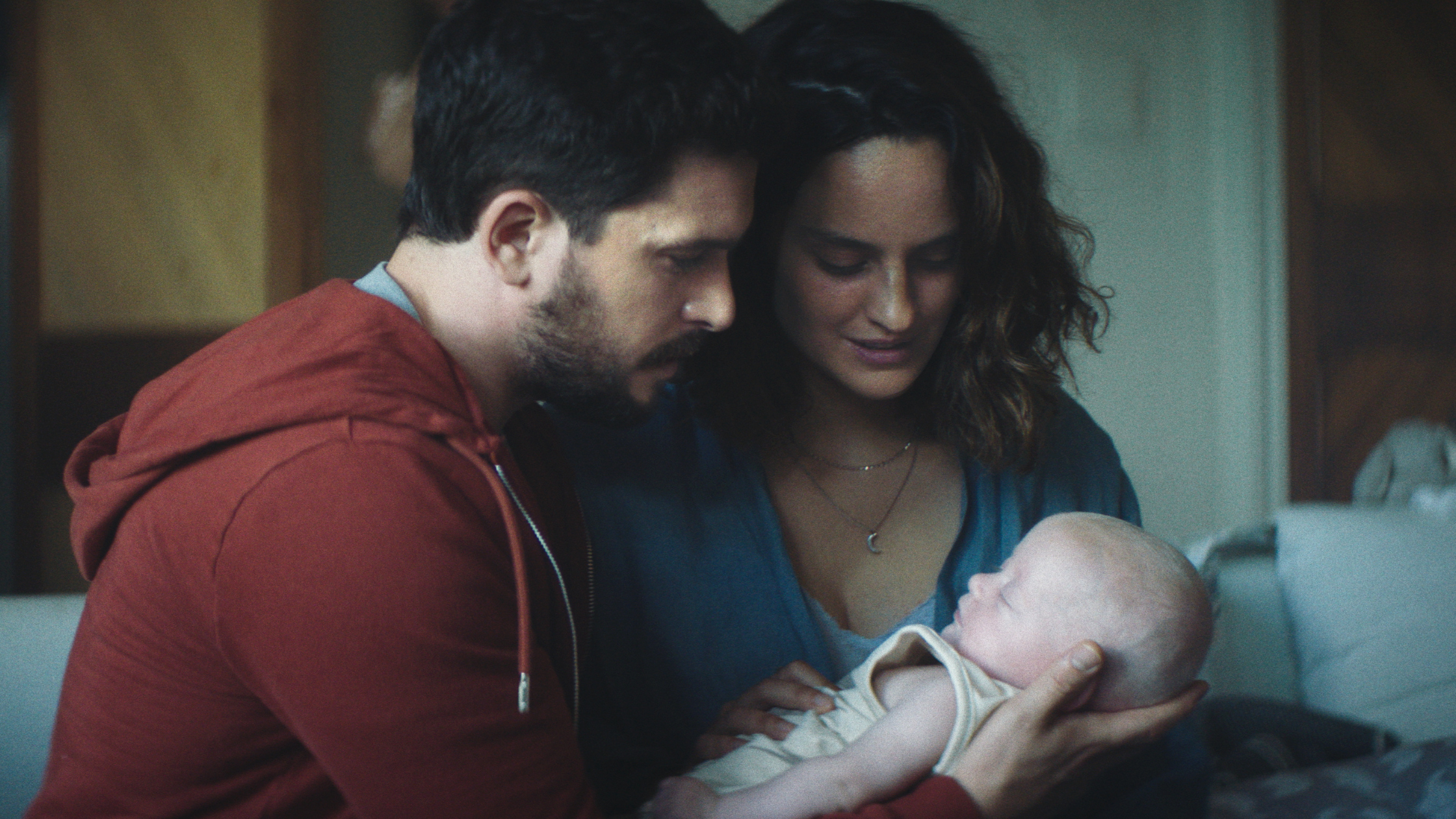
Bess Wohl’s directorial debut feature Baby Ruby (2023) opens with the glossy façade of new motherhood—pink garland, champagne toasts, frosted perfection—but the illusion shatters almost immediately. Wohl drags us past the glow of pregnancy into the darker terrain revealing an abyss of anguish, paranoia, and dread. What begins as a joyful milestone becomes a cinematic exorcism of postpartum depression and psychosis.
Josephine (Noémie Merlant), played with stunning precision, is a French entrepreneur, influencer, and soon-to-be mother who craves control above all else. Her carefully curated life runs on polish and performance, but Ruby’s arrival fractures both body and mind. The camera lingers on Josephine as she begins to unravel—her immaculate exterior giving way to sleepless nights, body dysmorphia, and a creeping sense of alienation. Composer Erik Friedlander’s tense score, plucked strings like nerves pulled taut, mirrors the dissonance growing inside her.
The horror here is not a supernatural interloper—it is the baby herself, or rather Josephine’s perception of Ruby as an adversary. The infant is not just needful; she is invasive, threatening, consuming. In a moment of raw exhaustion, Josephine blurts to her husband Spencer (Kit Harington): “Don’t you understand that she’s killing me?” It is a confession both terrifying and profoundly human. Wohl forces us to reckon with the taboo—what if the child is not only a source of joy, but also the enemy, challenging her sense of self?

Merlant’s performance is nothing short of transfixing. Every twitch of her jaw, every flicker of panic in her eyes, speaks to neurosis and exhaustion teetering on collapse. She embodies the duality of motherhood: the protective nurturer and the furious woman robbed of identity. Watching her fracture into two halves is watching the very definition of horror—the erosion of a person once believed unshakable.
The film finds one of its most searing truths in a conversation with Doris (Jayne Atkinson), Josephine’s mother-in-law. In a rare moment of candor, Doris admits: “It’s hell. I told you about when Spencer was a baby … everybody kept saying, wasn’t I so happy? Wasn’t my baby a miraculous thing? And I felt so guilty. Because of course, I loved him, but also, I hated him.” When Josephine asks her to stop, Doris replies, “Yes, and that’s the problem. We can’t talk about these things. Not even to each other. We can’t admit it.” It is the film’s thesis spoken aloud—the unutterable horror of motherhood’s contradictions, silenced by shame.

Baby Ruby succeeds because it refuses to allow us to look away. Wohl exposes motherhood not as an idyllic fairy tale, but as a haunted house of flesh and memory. She frames the everyday—the sleepless night, the constant crying, the fear of losing identiy and autonomy—as uncanny and monstrous. The film’s elliptical editing and tense cinematography draw us into Josephine’s headspace, where perception and paranoia collapse into one.
Baby Ruby is a stunning, nerve-shredding debut—an unflinching portrait of postpartum horror. Wohl delivers a fearsome, beautifully unsettling film that captures the terror, pain, and paranoia of first-time motherhood with raw honesty and unflinching psychological horror. It mirrors a lineage of horror films tackling similar themes like Rosemary’s Baby (1968), The Babadook (2014), and even Saint Maud (2019). The narrative is as bold as it is unsettling—portraying the nursery as the most terrifying room in the house while forcing us to confront what most would rather bury: that love and loathing can coexist in the same cradle.